Source CSA Certified Automotive Fuse Block for Boats, Cars, Electronics
Find 30 options for CSA Certified Automotive Fuse Block suitable for automotive, electronic equipment, and boats. Buyers can compare specifications like rated current, voltage, and breaking capacity across multiple models from China.
Key considerations
Products List


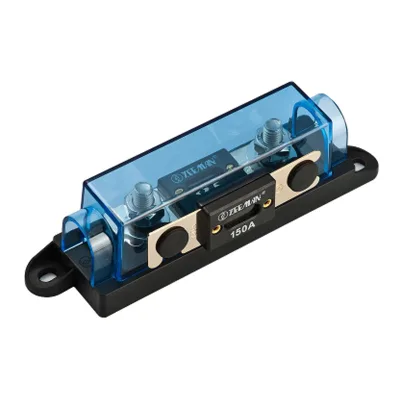


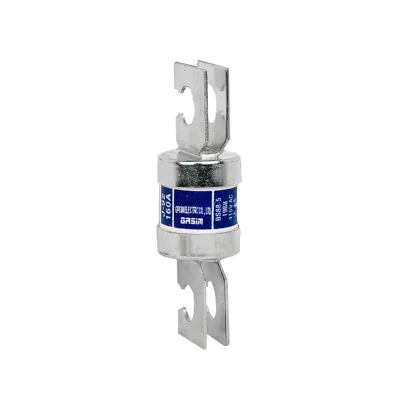
High Quality Automobile Fuse Holder Atc Fuse Block Ac Dc Types 500v 30a
$1.00 - $5.00
MOQ: 2000 Minimum


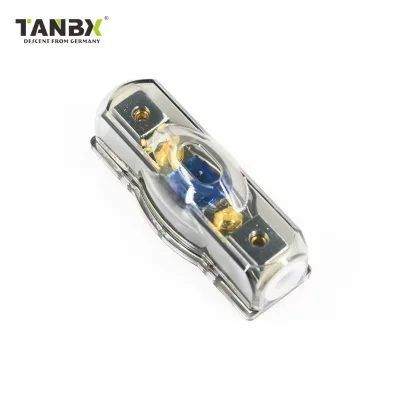


Fuse Terminal Block Electrical Industrial DIN Rail Screw Fuse Wiring Terminal Blocks
$0.10 - $0.50
MOQ: 1000 Pieces


Comprehensive Sourcing Guide
Strategic Sourcing Guide for CSA Certified Automotive Fuse Blocks
Navigating the global market for automotive fuse blocks requires a disciplined approach to verifying compliance, particularly when the core search intent focuses on CSA certification. While the term "CSA certified" is a critical filter for North American procurement, buyers must distinguish between products that carry the official mark and those that merely claim compatibility with North American standards. The available market data reveals a diverse landscape of fuse holders, ranging from plastic meter panel mounts to high-capacity ANL fuse blocks. This guide provides a structured framework for evaluating these components, ensuring that procurement decisions are grounded in verified facts rather than unconfirmed marketing assertions.
Understanding the Technical Landscape of Fuse Blocks
The first step in sourcing is defining the precise technical requirements, as "automotive fuse block" is a broad category encompassing various designs and capacities. The observed product data indicates a significant variation in form factors and materials. For instance, specific models are identified as "Plastic Fuse Holder" units designed for meter panel mounting, while others are explicitly described as "super quality DC automotive single mini ANL fuse block" units. These distinctions are not merely cosmetic; they dictate the electrical environment in which the component will operate.
The material composition is a primary driver of performance and durability. The supply data highlights "Copper Alloy" as the contact material, which is essential for minimizing resistance and preventing heat buildup at high currents. The housing material is frequently noted as "plastic," with specific mentions of "Environmental Protection Fuse Holder" attributes, suggesting a focus on resistance to harsh conditions. Buyers must verify that the plastic material used meets the specific thermal and chemical resistance requirements of their application, whether it involves under-hood exposure or interior cabin environments.
Current and voltage ratings are equally critical. The observed specifications list a "Rated Current" range of 25-500A, indicating that the market offers solutions for both low-power signal circuits and high-power distribution systems. The "Rated Voltage" is specified as DC 32V and DC 80V, which aligns with standard automotive electrical systems. However, the "Breaking Capacity" varies, with some entries noting a "High" capacity and others specifying a precise figure of "50 kA." This discrepancy underscores the necessity for buyers to confirm the specific interrupting rating required for their circuit protection strategy. A fuse block with a 50 kA breaking capacity is suitable for high-fault scenarios, whereas a lower rating might suffice for general distribution.
Navigating Certification and Compliance Claims
The core keyword of this search, "CSA certified," introduces a layer of complexity regarding compliance verification. The provided product facts do not list "CSA" as a confirmed certification for the majority of the listed items. Instead, the data explicitly mentions "ROHS" as a certificate for certain ANL fuse blocks and references "IEC" standards for safety. There is also a mention of "UL 248" in the low-confidence background section, which is a standard for fuses, but it is not confirmed as a current certification status for the specific products listed.
Buyers must exercise extreme caution when encountering claims of CSA certification. In the B2B context, a product cannot be assumed to be CSA certified unless the supplier provides a valid certificate of compliance issued by the Canadian Standards Association. The absence of this specific mark in the high-confidence facts suggests that many of the available products, such as the "TR-MWFH058" or "BANL-C" models, may be designed to meet general international standards like IEC but do not necessarily carry the specific Canadian safety mark.
The distinction between "As pictures" standards and formal certifications is vital. Some product listings state their standard as "As pictures," which is a non-binding description rather than a regulatory compliance statement. When sourcing for the North American market, procurement teams should request explicit documentation proving CSA certification. If a supplier cannot provide this, the buyer must evaluate whether the product's compliance with IEC standards and ROHS directives is sufficient for their specific regulatory environment, or if a dedicated CSA-certified alternative must be sourced from a different supplier pool.
Cost Drivers and Economic Factors in Procurement
The economic structure of the fuse block market is influenced by several variables, including material costs, manufacturing complexity, and order volume. The observed price range in the market spans from $0.02 to $10.80 USD. This wide disparity is driven by the differences in capacity and design. The lower end of the spectrum likely corresponds to simple plastic fuse holders with lower current ratings, while the higher end reflects high-capacity ANL blocks with copper alloy contacts and robust breaking capacities.
Minimum Order Quantity (MOQ) is another significant cost driver. The data shows an MOQ range from 1 to 2000 units. Some suppliers offer an MOQ of 100 pieces, while others require 200. For buyers with large-scale production needs, negotiating an MOQ of 2000 could yield better unit economics, whereas smaller buyers may need to accept higher per-unit costs to meet lower volume thresholds. The "Selling Units" are listed as "Single item," which suggests flexibility in purchasing, but the MOQ constraints remain a critical factor in total cost of ownership calculations.
Packaging and logistics also impact the final cost. The observed "Product Packing" is typically "100PCS/Carton" or "PE bag+ hard carton," with a "Single package size" of 38x27x27 cm. These dimensions and weights (e.g., 0.25 kg gross weight) influence shipping costs, particularly for international orders from the "Place of Origin" in Guangdong, China. Buyers should factor in the volume-to-weight ratio when calculating freight expenses, as dense copper components may incur higher shipping fees than lighter plastic-only units.
Typical Applications and Usage Scenarios
The versatility of automotive fuse blocks allows them to be deployed across a wide range of applications. The product data explicitly lists "Automotive, Electronic Equipment, Boats" as primary application areas. This confirms that these components are not limited to standard passenger vehicles but are also suitable for marine environments and general electronic equipment where reliable circuit protection is required.
Specific usage contexts include "Communication, Instrument, Electronic" systems, as noted in the product attributes. The "Installation" method varies, with options for "Lead Wire Type" and "Meter Panel Mounting Fuse Holder." This indicates that some fuse blocks are designed for direct wiring into a harness, while others are intended for panel integration. The "Mounting Type" is specified as "Through Hole," which is a standard method for securing components to a circuit board or panel.
The operating environment is another critical consideration. The observed "Operating Temperature" range of -40°C to +125°C suggests that these components are engineered to withstand extreme conditions, from freezing winters to hot engine compartments. This thermal resilience is essential for automotive applications where temperature fluctuations are common. Additionally, the "Frequency" of 50 Hz and 60 Hz indicates compatibility with both AC and DC systems, although the "Rated Voltage" is predominantly DC, aligning with the specific needs of automotive electrical architectures.
Supplier Evaluation and Verification Protocols
Evaluating suppliers for automotive fuse blocks requires a rigorous vetting process, especially when certification claims are involved. The "Brand Name" REOMAX is observed in the data, but buyers should not rely on brand recognition alone. Instead, the focus should be on the supplier's ability to provide verifiable documentation. Key evaluation criteria include the "Product Origin," which is listed as "China" and specifically "Guangdong, China." While this is a major manufacturing hub, buyers must ensure that the specific factory has the quality management systems necessary to produce consistent, certified products.
The "Delivery Time" of 3-7 working days is a notable attribute for certain products, suggesting a responsive supply chain. However, buyers should verify if this lead time applies to stock items or if it changes for custom orders, as "Customization" is listed as "Available." Customization options may extend lead times and require additional quality checks. Furthermore, the "Product Keywords" such as "anl fuse block" and "mini anl fuse block" should be used to cross-reference supplier catalogs to ensure the specific model numbers (e.g., TR-MWFH058, TR-MWFH090) match the technical requirements.
Quality Control and Long-Term Procurement Strategy
Ensuring long-term reliability involves establishing robust quality control measures. The "Shape" of the fuse block is noted as "Square," and the "Form of Installation" is described as "Insurance Piece Holder," which are specific design features that buyers should inspect for dimensional accuracy. Consistency in the "Contact Material" (Copper Alloy) is paramount to prevent corrosion and ensure low resistance over time.
For long-term procurement, buyers should consider the "Environmental Protection" attributes of the fuse holders. The "Environmental Protection Fuse Holder" designation suggests a focus on sustainability and compliance with environmental regulations, which is increasingly important in global supply chains. Regular audits of the supplier's production line and testing of sample batches for breaking capacity and thermal performance are essential to maintain quality standards.
Comparative Analysis of Product Attributes
To facilitate decision-making, the following table summarizes the key attributes observed in the market data, highlighting the variations that buyers must navigate.
| Attribute Category | Observed Variations | Sourcing Implication |
|---|---|---|
| Material | Plastic, Copper Alloy | Verify contact material for high-current applications; check plastic grade for thermal resistance. |
| Certification | ROHS, IEC, "As pictures" | Explicitly request CSA certification documents; do not assume compliance based on IEC or ROHS alone. |
| Current Rating | 25-500A | Match the fuse block rating to the specific circuit load; verify breaking capacity (e.g., 50 kA). |
| Mounting Type | Through Hole, Meter Panel Mount | Ensure compatibility with the existing panel or PCB design. |
| MOQ | 100pcs, 200, up to 2000 | Negotiate based on volume; consider storage costs for large MOQs. |
| Origin | Guangdong, China | Factor in logistics and potential supply chain risks associated with the region. |
| Temperature | -40°C ~ +125°C | Confirm suitability for the specific environmental conditions of the application. |
Conclusion
Sourcing a CSA Certified Automotive Fuse Block requires a meticulous approach that goes beyond simple keyword matching. The available market data reveals a complex array of products with varying materials, certifications, and performance ratings. While many products meet IEC standards and carry ROHS certification, the specific CSA mark must be verified through direct supplier documentation. Buyers must carefully evaluate technical specifications such as current ratings, breaking capacity, and operating temperatures to ensure the selected component meets the rigorous demands of automotive and marine applications. By adhering to a structured evaluation process that prioritizes verified compliance and quality control, procurement teams can secure reliable fuse blocks that ensure safety and performance in their final products. The wide range of prices and MOQs offers flexibility, but it also demands a strategic approach to balance cost, volume, and compliance requirements effectively.
FAQs
Are CSA certified automotive fuse blocks available in the current market?
No, CSA certification is not confirmed for the listed products. The available data shows IEC standards and ROHS certificates, but explicit CSA marks are absent. Buyers must request specific documentation from suppliers to verify Canadian compliance before procurement.
What materials are used for the contacts in these fuse blocks?
The contact material is Copper Alloy, which ensures low resistance and durability. The housing is typically made of plastic, with some units described as environmental protection fuse holders. This combination supports high current ratings up to 500A.
What is the breaking capacity of the observed fuse blocks?
Breaking capacity varies, with some units rated at 50 kA and others listed simply as high. This rating determines the ability to interrupt fault currents safely. Buyers should verify the specific interrupting rating required for their circuit protection strategy.
Can these fuse blocks be customized for specific applications?
Yes, customization is available for these products. Suppliers offer options to tailor specifications, though this may affect lead times. The standard models include various mounting types like meter panel mounting and through hole installation for different integration needs.
What is the minimum order quantity for these fuse blocks?
The minimum order quantity ranges from 100 pieces to 2000 units depending on the supplier. Some listings specify an MOQ of 200, while others allow orders as low as 100. Buyers should negotiate based on their volume requirements to optimize costs.
Where are these automotive fuse blocks manufactured?
The products originate from China, specifically Guangdong. This region is a major manufacturing hub for electronic components. Buyers should verify the specific factory's quality management systems to ensure consistent production standards for their orders.
What is the operating temperature range for these fuse blocks?
The operating temperature range is -40°C to +125°C. This wide range allows the components to withstand extreme conditions in automotive and marine environments. It ensures reliable performance in both freezing winters and hot engine compartments.